Buying or selling on Siesta Key comes with one question that can affect both your budget and your timeline: What does the flood zone mean for this property? If you are looking at a waterfront home, island condo, or coastal residence, flood insurance is not a side issue. It can shape financing, closing costs, future improvements, and long-term ownership planning. The good news is that with the right information, you can evaluate risk clearly and move forward with confidence. Let’s dive in.
Why flood zones matter on Siesta Key
Siesta Key is part of Sarasota’s coastal-island system, and parts of the island fall within the City of Sarasota limits, according to the city’s planning materials. That means flood-risk questions are highly property-specific. The exact parcel, elevation, and local jurisdiction all matter when you are evaluating a home or condo on the Key.
The best starting point is the official FEMA Flood Map Service Center, which lets you check the current map for a specific address. Sarasota-area flood tools can also help return address-level flood zone information, but FEMA remains the official source when you want to confirm what applies to a property.
Understanding common FEMA flood zones
Flood zones are not just a yes-or-no label. FEMA uses them as risk categories, and that distinction is important when you are comparing properties on Siesta Key.
Special Flood Hazard Areas include Zones A, AE, AO, AH, VE, and V. According to FEMA, Zone AE includes base flood elevations, while Zone VE is a coastal high-hazard area with added storm-wave risk. Zone X is considered lower risk and generally sits outside the 500-year floodplain or in an area with shallow or limited flooding.
Sarasota County’s buyer materials also identify Coastal A as a high-risk coastal category. On a barrier island like Siesta Key, that extra layer matters because coastal exposure can affect both construction standards and insurance costs.
How flood insurance affects closing
One of the biggest surprises for buyers is that standard homeowners insurance usually does not cover flooding. Flood coverage is typically purchased separately. In Florida, that policy may come through the National Flood Insurance Program or a private flood insurer.
If a property is in a Special Flood Hazard Area and you are using a federally backed mortgage, flood insurance is generally required. That can directly affect your monthly housing cost, cash needed at closing, and lender timing.
There is also a timing issue many buyers miss. FEMA notes that flood insurance applications often have a 30-day waiting period, so it is smart to start getting quotes early rather than waiting until the last minute. On Siesta Key, this should be part of your pre-offer planning, not just a box to check after you go under contract.
Why early insurance quotes matter
On Siesta Key, flood insurance is part of the deal math. Premiums are tied to the property’s risk profile, so two homes with similar prices can carry very different insurance costs.
Sarasota County and the City of Sarasota both participate in the NFIP Community Rating System, which may reduce NFIP premiums. Sarasota’s real estate flood brochure explains that those discounts can help NFIP policyholders, though they do not apply to private flood insurance.
For buyers, that means you should compare NFIP and private options early. For sellers, it means being prepared to discuss current flood coverage, available documents, and how the property has been improved over time.
What drives flood insurance costs
A flood zone is only one piece of the picture. Under FEMA’s Risk Rating 2.0 approach, premiums can also reflect:
- Distance to a water source
- Elevation
- First-floor height
- Cost to rebuild
- Property-specific flood risk characteristics
That is why two homes in the same zone may not have the same premium. The insurance cost is often shaped by how high the living area sits, how the structure was built, and how vulnerable key systems are to floodwater.
FEMA also notes that an elevation certificate is no longer required to buy coverage, though it may still help reduce the price in some cases. If a seller has one on file, it can still be a useful part of your due diligence.
Why elevation and first-floor height matter
On coastal properties, elevation can influence both risk and cost. Sarasota County notes that rates depend in part on flood risk, lowest floor elevation, and the property’s construction date and type.
Local rules reinforce that. The City of Sarasota states that new or substantially improved buildings must be at least 1 foot above Base Flood Elevation. Sarasota County also requires a Zone V and Coastal A Zone Design Certification for new construction and substantial improvements in VE or Coastal A zones, or seaward of the CCCL.
In practical terms, this means elevation choices can affect permit requirements, construction planning, and insurance outcomes. If you are considering renovation or rebuilding on Siesta Key, those details deserve close review early in the process.
Why building age can change the picture
Older homes on Siesta Key may have another layer to consider: pre-FIRM status. FEMA defines pre-FIRM construction as work started on or before December 31, 1974, or before the community’s initial FIRM date.
That can matter because older homes may have been built under different standards than what is required today. If you are buying an older island property, you will want to understand not just its current flood zone, but also when it was built and whether prior improvements changed its compliance status.
Sarasota materials state that if reconstruction, rehabilitation, additions, or other improvements reach 50 percent of market value, the structure must be brought up to new-construction standards. For buyers, that is important when budgeting future projects. For sellers, it is relevant when explaining what has already been updated and what might still trigger additional compliance work.
How mitigation can help
Flood risk is not always static. FEMA notes that certain mitigation steps can reduce risk and may help lower premiums.
Examples include:
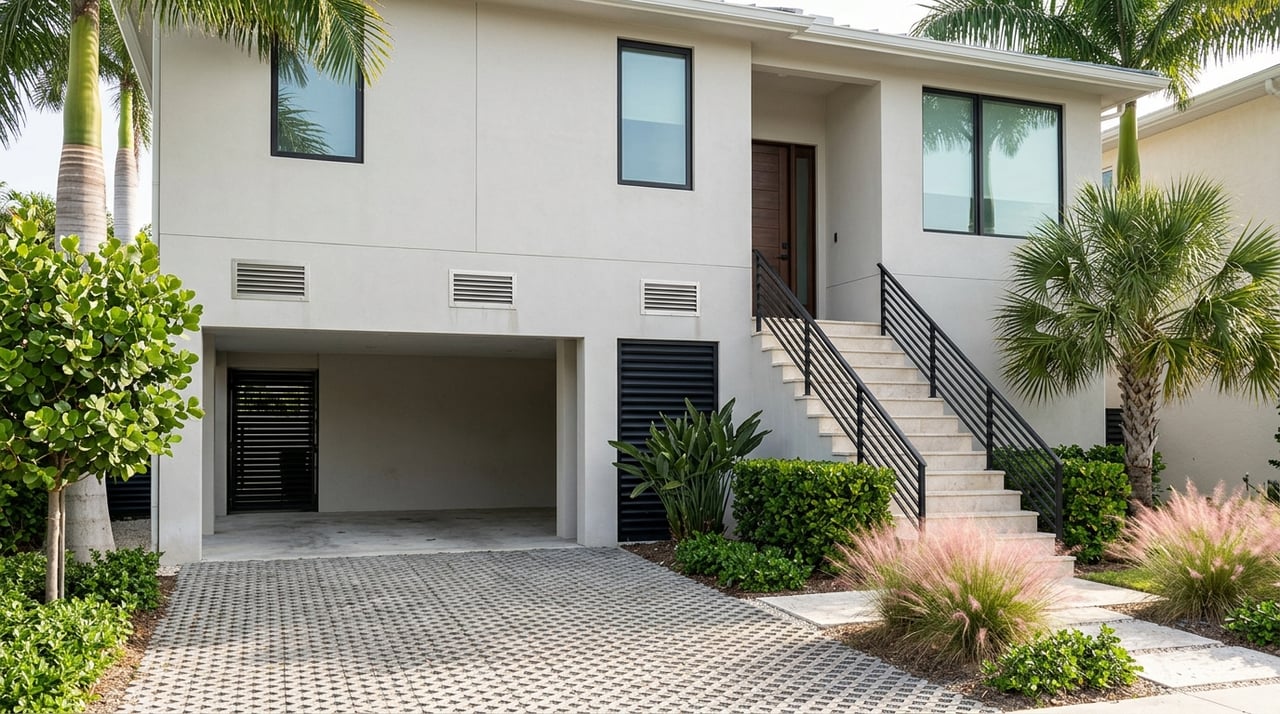
- Raising the building
- Elevating machinery and equipment
- Adding flood openings where appropriate
FEMA specifically notes that raising a building from ground level can lower the premium. While not every strategy fits every property, mitigation is worth discussing when you are evaluating long-term ownership costs on Siesta Key.
A practical Siesta Key checklist
If you are buying or selling on Siesta Key, these are the most useful next steps:
- Check the exact address in the FEMA Flood Map Service Center.
- Confirm the flood zone and local jurisdiction for the parcel.
- Ask whether an elevation certificate already exists.
- Compare NFIP and private flood insurance quotes early.
- Review the home’s age, first-floor height, and improvement history.
- Ask whether prior or planned work could trigger current code compliance.
- If the lot appears naturally high, explore whether a FEMA Letter of Map Amendment may be worth discussing.
This kind of due diligence can help you avoid surprises during contract, financing, and closing.
Why local details matter
Barrier-island properties are never one-size-fits-all. The City of Sarasota’s planning documents group Siesta Key within a broader coastal-islands system, but nearby markets may use different tools, maintain different records, or apply different local procedures.
That is one reason broad assumptions can be risky. A home’s location on Siesta Key, the governing jurisdiction, and its individual site conditions all deserve a close look before you make pricing, renovation, or insurance decisions.
Bottom line for buyers and sellers
On Siesta Key, the flood-zone conversation is really about understanding the full property profile. The flood zone itself matters, but so do elevation, first-floor height, building age, pre-FIRM status, and whether past or future improvements trigger newer code standards.
For buyers, those details can influence financing, insurance requirements, and monthly ownership costs. For sellers, they can affect how you prepare the property, answer buyer questions, and position the home in the market.
If you want a steady, detail-oriented approach to evaluating a Siesta Key property, working with a local advisor can make the process much clearer. When you are ready for personalized guidance on buying or selling coastal property, connect with Jayne Del Medico.
FAQs
What flood zones are most common to review on Siesta Key properties?
- Buyers and sellers often need to review whether a property is in Zones A, AE, AO, AH, VE, V, Coastal A, or Zone X, because each category reflects a different level and type of flood risk.
Does a Siesta Key home in a flood zone always require flood insurance?
- If the property is in a Special Flood Hazard Area and the buyer is using a federally backed mortgage, flood insurance is generally required.
Does homeowners insurance cover flooding on Siesta Key?
- No. Standard homeowners insurance policies usually do not cover flooding, so flood coverage is typically purchased as a separate policy.
What property details affect flood insurance costs on Siesta Key?
- Flood insurance costs can be influenced by the exact flood zone, elevation, first-floor height, distance to water, rebuild cost, construction type, and the home’s age.
Why is an elevation certificate helpful for a Siesta Key property?
- FEMA says an elevation certificate is no longer required to buy coverage, but it may still help reduce the premium and can be useful during due diligence.
Can renovating a Siesta Key home trigger new flood-compliance rules?
- Yes. Sarasota materials state that if reconstruction, rehabilitation, additions, or other improvements reach 50 percent of market value, the structure must be brought up to new-construction standards.