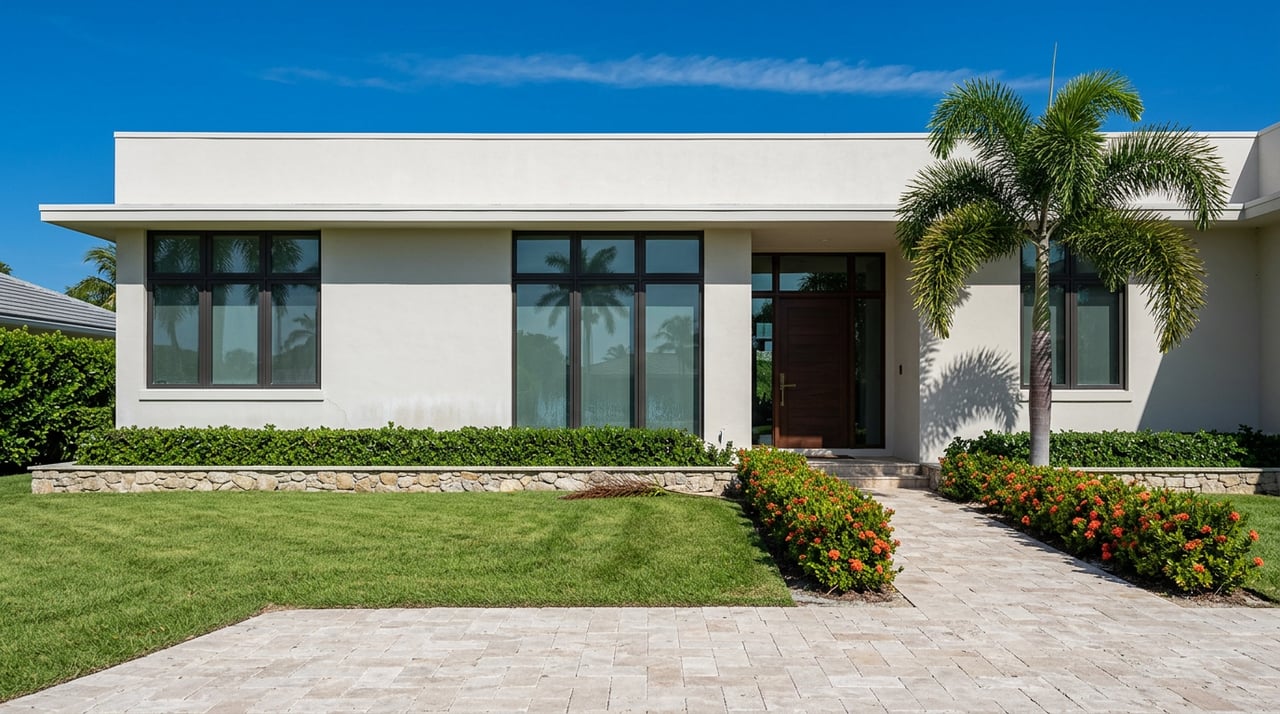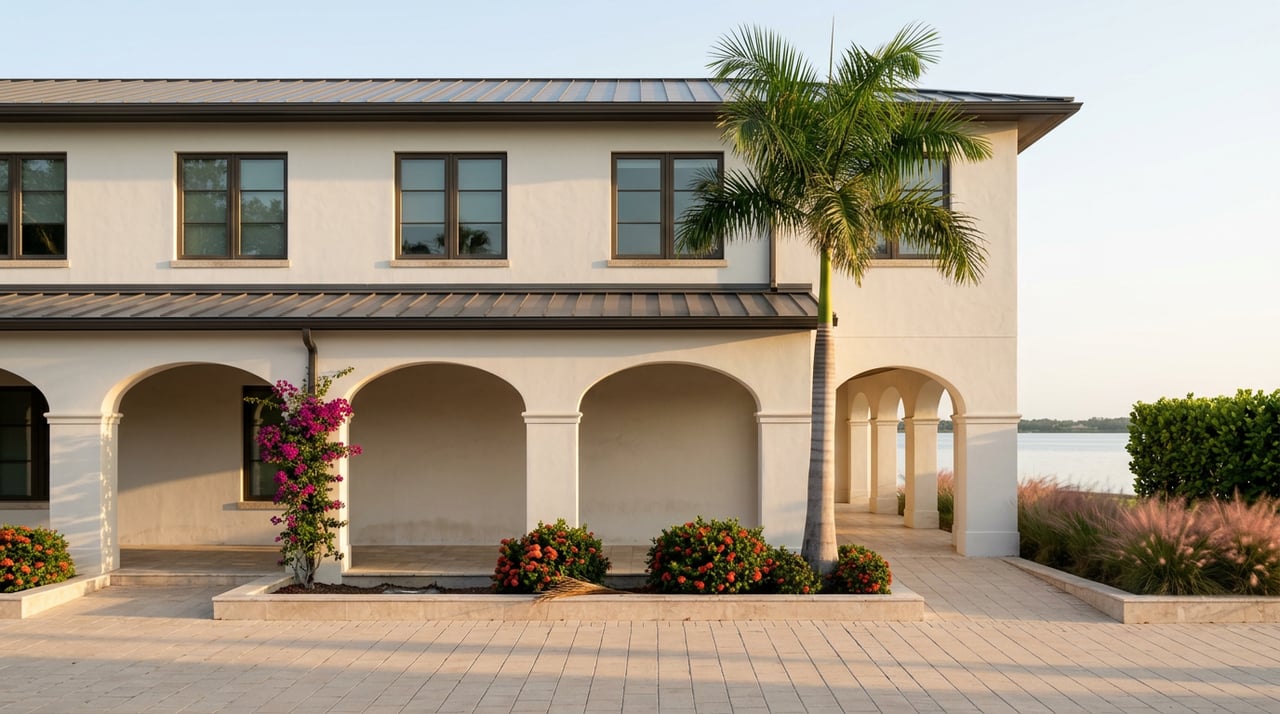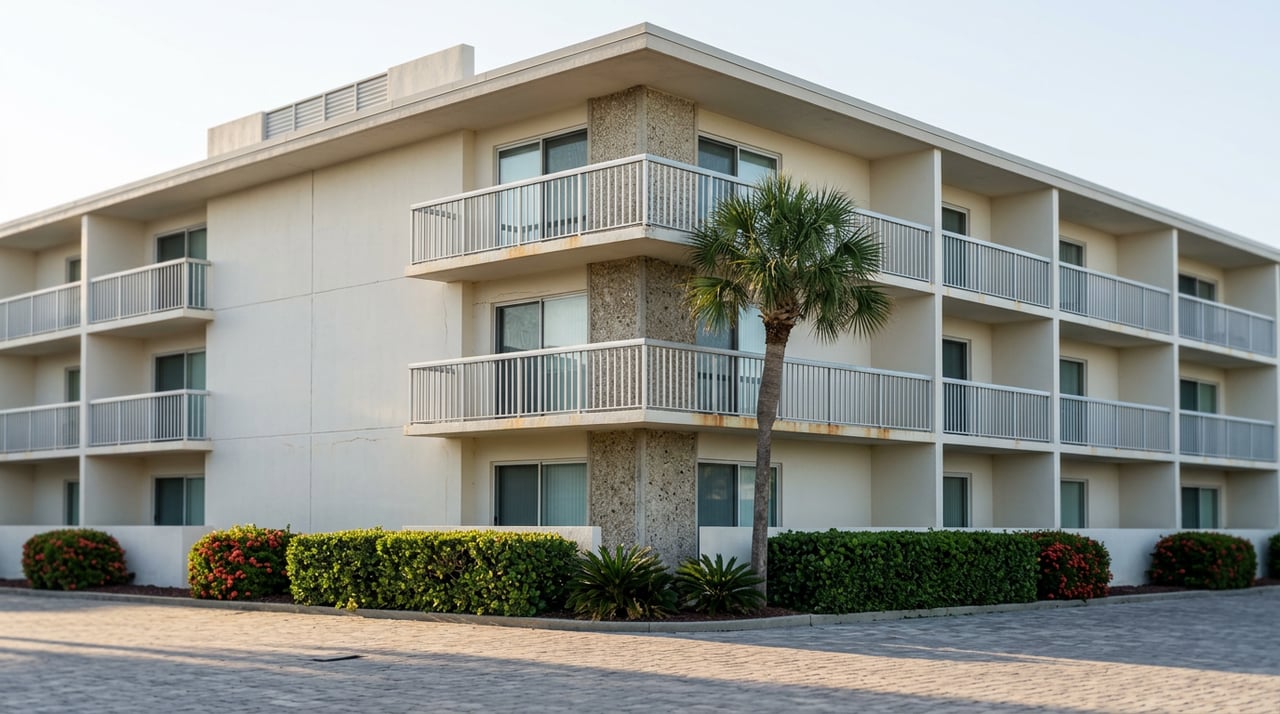
Drive the south end of Longboat Key and you pass three mid-rise buildings within a few blocks of each other: Beaches of Longboat Key, built in 1984, Regent Place, built in 1995, and Longboat Key Towers, dating to 1970. Park a listing from each side by side and the price per square foot might land within a few dollars of each other. The view is the same Gulf horizon. The floor plans overlap. What the listing sheet won't tell you is which of those three buildings has already absorbed the cost of Florida's new condo reserve law and which one is still catching up.
That distinction, not the quarterly fee printed at the top of the listing, is what actually predicts your total cost of ownership on this island in 2026.
Passing the Inspection Isn't the Same as Being Funded
Longboat Key got good news this spring. Of the 198 buildings on the island required to complete a state-mandated milestone inspection, only two needed the deeper, more invasive Phase 2 review, according to reporting in the Longboat Observer. Every other building cleared the visual structural review that Florida put in place after the 2021 Surfside collapse.
That's the reassuring half of the story. Here's the part that catches buyers off guard: passing the physical inspection and being financially prepared for the next twenty years of repairs are two entirely separate requirements, running on two entirely separate clocks.
The milestone inspection asks whether the building is structurally sound today. The Structural Integrity Reserve Study, or SIRS, asks whether the association has actually saved enough money to maintain that soundness going forward, covering eight components including the roof, load-bearing structure, plumbing, electrical systems, and waterproofing. A building can pass its inspection with flying colors and still be years behind on the second question. Longboat Key's mayor, Debra Williams, described the old system plainly: for decades, associations only had to reserve for painting, paving, and roofing, and "everything else was optional." That option disappeared for good with budgets adopted on or after January 1, 2025, when Florida eliminated the owner vote to waive or underfund SIRS reserves, according to the Florida Department of Business and Professional Regulation. Associations that had been quietly running lean for thirty years no longer have a legal path to keep doing it.
Two Clocks, One Building
This is why quarterly dues on Longboat Key have been moving even in buildings where the milestone inspection turned up nothing alarming. David Novak, who manages more than 900 residential units on the island through Longboat Private Services, has watched the cost of condo ownership climb sharply since 2021, largely because of exactly this shift. It isn't damage driving the increase. It's arithmetic. A building that spent three decades reserving for roofs and paint now has to fund seven additional structural categories, on a schedule the state sets, with no vote available to soften it.
For a shopper comparing units, that means the fee on today's listing tells you almost nothing about the fee eighteen months from now. A building could be mid-catch-up, with dues set to keep climbing as the association works through its funding schedule. Or it could already be fully funded to the SIRS standard, with a fee that reflects the real cost of ownership and won't jump again for a decade. Both buildings can look identical in a search filter.
| What you're likely comparing | Low quarterly fee, no recent SIRS on file | Higher quarterly fee, SIRS complete and funded |
|---|---|---|
| What it usually signals | Reserves may still be catching up to the new standard | Structural reserves already meet the mandatory funding schedule |
| Special assessment risk | Higher, especially if the last reserve study predates 2025 | Lower, assuming the funding plan is current |
| Insurance renewal risk | Some carriers now decline to renew policies without a completed SIRS and milestone report | Generally smoother renewals with documentation in hand |
| What you're really paying for | A number that may not hold | A number that already reflects reality |
The Market Is Already Pricing This In
You can see this split in the transaction data too, not just the fee schedules. Across all Longboat Key home sales, the median sale price over the three months ending in May 2026 reached $1.1 million, up 14.3 percent year over year, while the typical listing took 88 days to sell, nearly double the 47 days it took the year before. That kind of headline gain reads like uniform strength. It isn't. Reporting from Longboat Key News describes condominium supply in the older mid-rise stock along Gulf of Mexico Drive sitting at 11 to 14 months of inventory, firmly in buyer's-market territory, with monthly HOA fees doubling or tripling in some of those buildings as reserves catch up. Buyers shopping that segment are routinely negotiating 7 to 8 percent off list price specifically to offset the special assessments they expect are coming.
Meanwhile, units in buildings that have already cleared their SIRS and funded it properly aren't showing that same discount. The gap between those two outcomes isn't about the beach or the sunset. It's about which side of the reserve-funding transition a given building landed on, and that side is invisible until you ask.
Five Documents Before You Write the Offer
None of this requires guesswork. Florida law and standard closing practice already put the paper trail in your hands, if you know to ask for it during your inspection contingency.
- The most recent SIRS report and its funding schedule, not just a summary page.
- The milestone inspection report, including a Phase 2 if one was required.
- Board meeting minutes from the last 12 to 24 months, looking for language about engineering findings, repair bids, or financing discussions.
- The master insurance policy declarations page, including the wind and hurricane deductible.
- Written confirmation of any pending, approved, or discussed special assessment, with the amount and payment schedule.
A seller is required to make this information available to a buyer, and a building three stories or taller has to have it on file regardless of how new the construction is. The SIRS requirement is triggered by height, not age, so even a condo finished this year needs one, though the milestone inspection's 30-year (or 25-year, for buildings within three miles of the coast) trigger won't apply to new construction for decades.
The Comparison That Actually Matters
Go back to those three buildings on the south end. A shopper who picks the lowest quarterly fee among them, without asking where each one sits in its SIRS funding cycle, has optimized for exactly the wrong number. The building's age tells you which cycle it's likely in. The documents tell you where it actually stands. Only the second answer belongs in a purchase decision.
For buyers comparing units on Longboat Key, or owners trying to understand how these rules will affect resale, this is the kind of detail that's easy to miss from a listing photo and expensive to miss in a contract. If you'd like a second set of eyes on a specific building's reserve status before you make an offer, or want to understand how this shift is playing out in the Longboat Key market more broadly, Jayne Del Medico has spent nearly two decades tracking exactly this kind of building-by-building nuance across the island's condo stock. Let's Connect.
A Few Common Questions
Does a brand-new Longboat Key condo need a SIRS? Yes. The requirement applies to any residential building three habitable stories or taller, regardless of age. A condo finished this year still needs a completed SIRS on file, even though its milestone inspection won't come due for decades.
What's the actual difference between a milestone inspection and a SIRS? The milestone inspection is a physical safety review performed by a licensed engineer, assessing the building's current structural condition. The SIRS is a financial planning document that determines how much the association needs to reserve, and by when, to maintain those same structural components long term. A building can pass one and still be behind on the other.
Can financing fall through over this? It can. Buildings with significant deferred maintenance, insufficient reserves, or incomplete inspections can end up on lender restricted lists, which limits buyers to portfolio or non-QM financing rather than standard conventional loans. Confirming a building's SIRS and milestone status early in your contingency period protects your financing timeline as much as your budget.