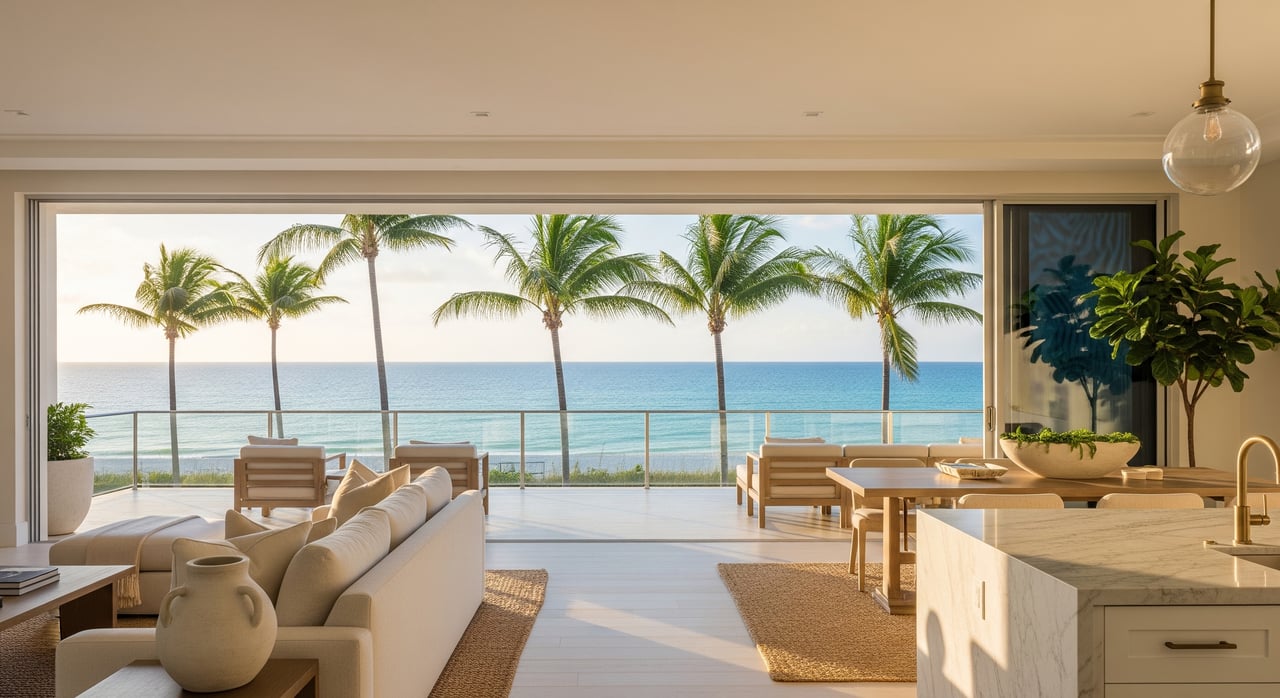
Picture this: coffee in hand, toes in the sand, and the Gulf of Mexico stretching out in front of you. If you are drawn to easy mornings, quiet afternoons, and sunsets that stop time, gulf-front condo living on Longboat Key may fit your life beautifully. At the same time, you want to understand the buildings, the fees, the rules, and the risks before you buy. In this guide, you will learn what daily life really feels like, what to look for in a building, and how to approach the details that matter for a smart purchase. Let’s dive in.
Why Longboat Key for gulf-front
Longboat Key is a barrier island between Sarasota and Bradenton with a calm, residential feel. The west side faces the Gulf of Mexico for beach days and sunset views. The east side faces Sarasota Bay and the Intracoastal Waterway for boating and calmer waters. You get a relaxed island pace with quick access to dining, culture, and travel in nearby Sarasota, plus regional air service at SRQ.
Expect quieter nightlife on the island itself. When you want more energy, you are a short drive from vibrant restaurants, shopping, and cultural venues on the mainland.
What gulf-front condos offer
Building styles and features
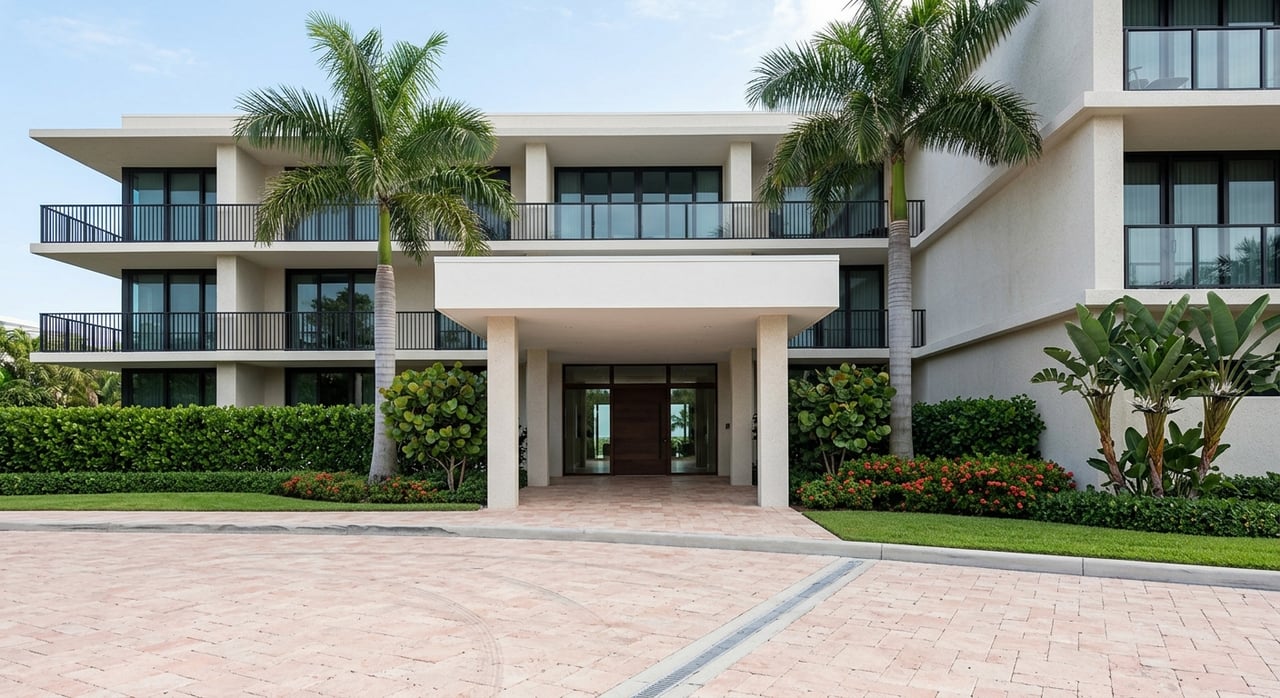
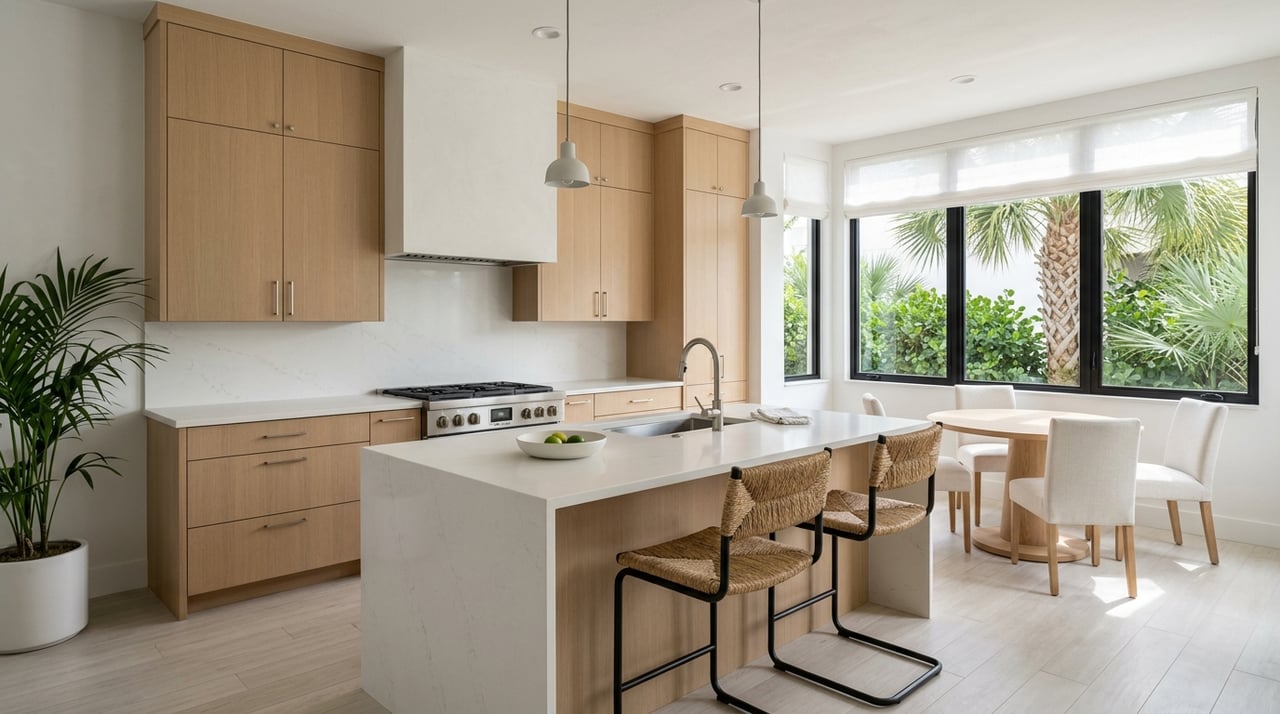
Most gulf-front buildings are concrete or steel low- to mid-rise structures. Many have been renovated, and newer developments deliver higher-end finishes and services. Floor plans range from one-bedroom vacation retreats to expansive multi-bedroom residences and penthouses.
In upscale buildings, you often see large terraces facing the water, impact glass or hurricane shutters, elevators, and covered or assigned parking with storage. Privacy, security, and well-managed grounds are common priorities for residents.
Amenities you will use
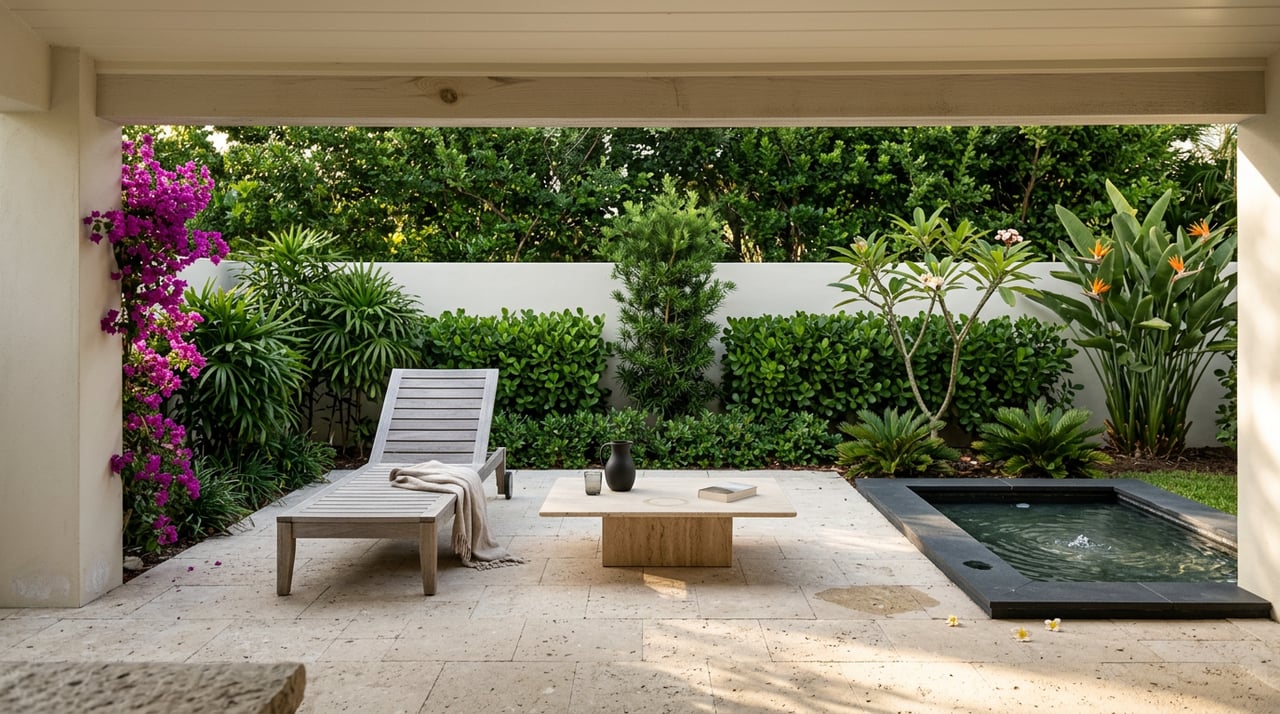
Amenities often include private beach access, gated or guarded entry, heated pools and hot tubs, fitness centers, and social rooms. Tennis and pickleball courts are common, and some buildings provide concierge services or on-site management. These services enhance daily living and also influence monthly fees.
Boat slips are limited in many gulf-front communities. Some buildings offer deeded or assigned slips, guest dockage, or access to nearby marinas. Deeded slips usually command a premium.
Daily rhythm and lifestyle
Life on the gulf side is about sand underfoot and sunsets at day’s end. You might start with a beach walk, then paddleboard or relax by the pool in late morning, and wind down on your terrace as the sky turns peach and gold. Shorebirds and marine life are part of the backdrop.
Sea turtles nest on Gulf beaches seasonally, so you will notice conservation signage and lighting rules. Outdoor lighting may need to follow turtle-friendly guidelines, and beach furniture rules may apply during nesting season.
When you want variety, boutique groceries, waterfront dining, St. Armands Circle, and downtown Sarasota’s cultural venues are all within easy reach. You enjoy a quiet island base with city amenities nearby.
Boating and water access
The island’s eastern side opens to the Intracoastal Waterway with marinas and launch points nearby. If boating is a priority, confirm whether a condo includes a deeded slip, guest dockage, or easy access to a marina. Larger vessels often use off-island marinas in the Sarasota or Bradenton area. Availability and proximity influence both convenience and value.
Ownership costs and fees
Gulf-front buildings typically carry higher monthly assessments. Fees fund exterior maintenance, elevators, common-area air conditioning, landscaping, pools, staffing, and the building’s master insurance policy if in place. The level of service and amenities drives costs, which can vary widely by building.
Reserve funding is critical on the coast. Salt air, wind, and humidity accelerate wear, and thoughtful reserve planning protects the building and owners. Request the latest budget, reserve study, and recent board meeting minutes to understand the building’s financial health.
Insurance and risk planning
Coastal ownership means planning for wind, flood, and storm surge risk. Most buildings carry a master policy that covers the structure. As a unit owner, you typically obtain an HO-6 policy and may need separate flood insurance and windstorm coverage.
Insurance markets in Florida have been dynamic, with changes in premiums and availability. Ask an insurance broker who specializes in Florida coastal properties to quote your specific unit and building so you can factor accurate numbers into your total cost of ownership.
Building age and structural safety
Beachfront buildings live in a corrosive environment. Over time, concrete restoration, balcony repairs, roof work, and window or door upgrades may be necessary. Since 2021, many associations have increased engineering inspections and planned capital projects to strengthen structural safety.
Before you buy, request recent engineering reports, building envelope assessments, and disclosures on planned or pending special assessments. Ask whether hurricane-rated windows or shutters are installed and when they were last inspected.
Flood zones and coastal management
Many gulf-front properties lie within FEMA-designated flood zones. Elevation certificates, flood zone status, and any storm-hardened improvements influence insurance and long-term planning. Understand any local coastal management programs, such as beach renourishment or dune maintenance, since these efforts can affect timelines, funding, and temporary access.
Expect lighting rules that protect sea turtles and permitting standards for coastal construction. Exterior renovations near the shoreline may require additional approvals and can take more time.
Rental rules and second-home use
If you plan to rent your condo for income, verify the association’s rental policy. Many communities restrict short-term rentals through minimum stays, blackout periods, or caps on rental days. Local licensing or regulations may also apply. Ask for the official rules and any historical rental performance records before you commit.
Seasonal patterns matter. Winter often brings peak occupancy with snowbird residents and visitors. Summer is quieter but also aligns with higher storm risk. If you have flexibility, test both seasons during your search.
Due diligence checklist
Use this list to focus your review:
- Governing documents: condominium declaration, bylaws, rules, and any amendments
- Financials: latest budget, financial statements, and the current reserve study
- Board minutes: the last 12 to 24 months to spot trends and planned projects
- Insurance: the master policy details and claims history, plus what it covers versus owner responsibility
- Capital projects: pending or recent special assessments, scope, timing, and amounts
- Engineering: recent structural reports and building envelope assessments
- Litigation: any pending lawsuits involving the association
- Rentals: written rental and leasing policy, and historical performance if available
- Major systems: records of recent roof, windows, balconies, elevator modernization, and mechanical upgrades
- Deeded items: beach access rights, assigned parking, storage, and any deeded boat slip
Smart questions to ask on tours
Bring these questions to each building visit:
- What does the monthly fee include, and what falls to the owner?
- Are impact windows or shutters installed, and when were they last inspected?
- What is the current reserve balance and funding plan? Where are reserves held?
- Are there recent or upcoming special assessments, and why?
- How are guest parking and long-term guest stays handled?
- What are the noise and pet rules?
- How is trash and recycling managed?
Visit tips that reveal the truth
- Visit both in peak season and off season to understand occupancy, noise, and services.
- Walk the beach at high tide to check beach width and any erosion patterns.
- Tour near sunset to evaluate views, terrace privacy, and building activity.
- If boating matters, visit nearby marinas and review waitlists for slips.
Is gulf-front right for you?
Choose gulf-front if you value direct beach access, daily sunset views, and a quieter island setting. Expect higher monthly fees that reflect staffing, amenities, and building insurance. Plan for coastal risks by budgeting for insurance and understanding the building’s reserves and capital plans. If you want a low-maintenance waterfront lifestyle with quick access to Sarasota’s dining, culture, and travel, Longboat Key offers a compelling balance.
Ready to explore the best-fit buildings and understand the details behind the view? Connect with a local, concierge-level advisor who reviews reserves, insurance, and rental rules with the same care as the sunset vantage from your terrace. Let’s talk about your goals and design a plan that fits your timeline. Reach out to Jayne Del Medico to get started.
FAQs
How private is the beach in front of a Longboat Key gulf-front condo?
- In Florida, the sand seaward of the mean high water line is public, but many communities provide private access paths and limited furniture that create a sense of seclusion due to fewer public access points.
What should I expect for monthly condo fees on the Gulf?
- Fees vary widely by building and services. Gulf-front properties often have higher assessments to cover exterior maintenance, insurance, amenities, and staffing. Review the current budget to confirm specifics.
Are gulf-front condos safe during hurricanes on Longboat Key?
- Buildings follow local codes, yet they face storm surge and wind risk. Impact glass and storm-hardening reduce risk, and evacuation plans plus appropriate insurance are essential.
Will I be able to rent my Longboat Key condo short term?
- It depends on the condominium’s rules and any local regulations. Many associations restrict short-term rentals with minimum stays or limits. Verify the written rental policy before buying.
How likely are special assessments in beachfront buildings?
- They can occur if reserves are inadequate or major repairs are needed. Review engineering reports, reserve studies, board minutes, and project plans to gauge risk.
Do Longboat Key gulf-front condos include boat slips?
- Some do, but slips are limited and often carry a premium. Confirm whether a slip is deeded, assigned, or available nearby, and check waitlists at local marinas if you have a larger boat.