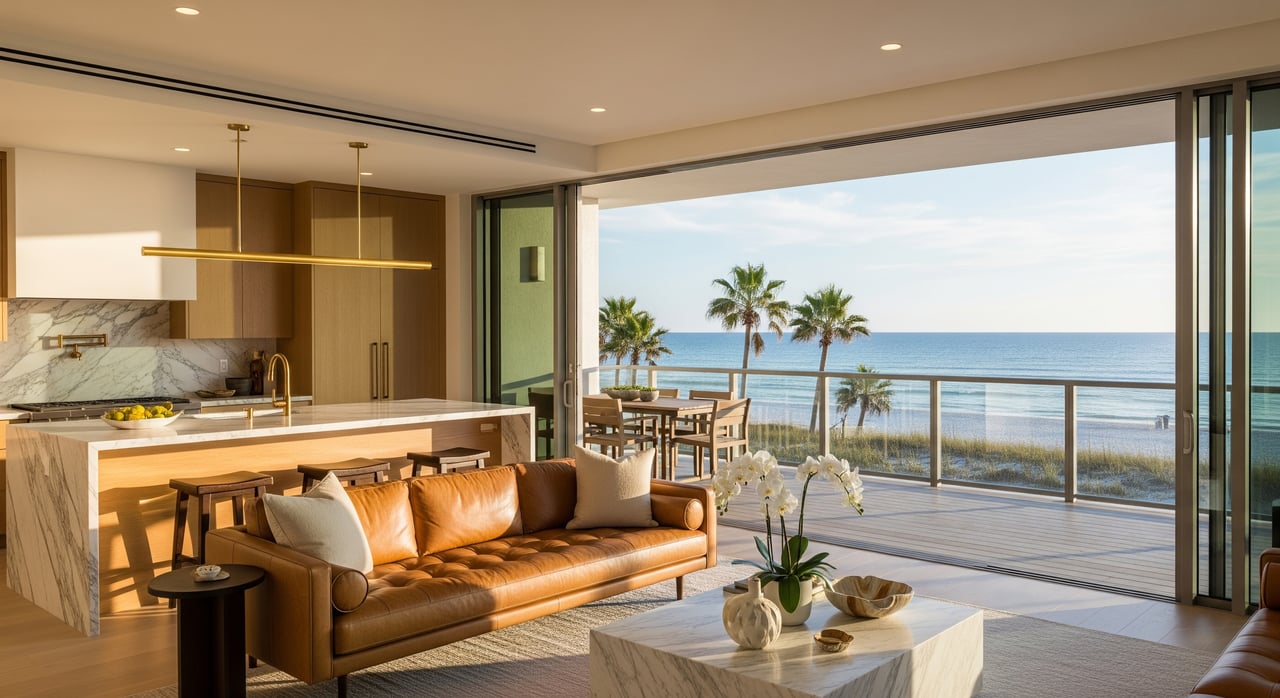
Are you wondering what your Siesta Key condo is really worth in today’s market? Pricing luxury units on the island takes more than a quick scan of recent sales. You need to factor in view corridors, floor level, amenities, HOA reserves, insurance, and seasonality. In this guide, you’ll learn how to set a price that attracts qualified buyers without leaving money on the table, plus a clear framework you can follow before you list. Let’s dive in.
What makes Siesta Key unique
Siesta Key is a barrier island with a wide range of buildings and buyer profiles. You’ll find Gulf-front residences with direct beach access, bayside buildings with boating appeal, and mid-rise communities with a mix of owner-occupants and short-term rentals. Pricing must reflect how your specific building and unit stack up across these variables.
Seasonality and timing
Demand peaks in winter months, roughly January through April. Seasonal residents and out-of-area buyers are most active then, which can support stronger pricing. Summer and early fall often bring slower activity, so pricing and marketing should account for a smaller buyer pool. Your listing timing and strategy should align with this pattern.
Buyer profiles and demand drivers
Luxury buyers on Siesta Key tend to include primary homeowners, seasonal snowbirds, and investor buyers. Each group values different things. Gulf-front exposure and deeded beach access attract lifestyle-driven buyers. Bayside views and boat slips can appeal to boaters. Flexible rental rules matter to investors seeking income potential. Your price should match the most likely buyer profile for your unit.
Costs and risks that shape value
Hurricane and flood exposure, insurance costs, and association health influence both demand and price. Buyers pay close attention to flood zones, master insurance coverage, and the strength of condo reserves. Pending or recent special assessments can weigh on pricing unless addressed up front. Rental rules also shape demand by affecting income potential.
Pricing levers that move value
View and beach access
Direct Gulf-front exposure with deeded beach access is usually the strongest value driver. Sunset views, beach frontage, and an unobstructed horizon create a premium many buyers will pay for. Bayfront views often come in a close second, especially where docks or boat slips are available. Partial water views, canal views, and no-view units follow in that order. Treat view as a major percentage-level adjustment when comparing recent sales.
Floor level and orientation
Higher floors tend to command higher prices due to light, privacy, and enhanced views. Penthouse-level glass and corner orientations can add further appeal. In Gulf-facing buildings, a west or southwest orientation that frames sunsets is often preferred and should be priced accordingly.
Building age and envelope condition
Newer or well-renovated buildings reduce risk for buyers and support higher prices. Recent work on roofs, balconies, windows, and façades is a plus. If a building faces known future projects, such as elevator replacements or exterior restorations, buyers may discount for potential assessments. Make sure you understand scheduled projects before you price.
Amenities and services
Amenities matter, but buyers weigh them against fees. Deeded beach access, covered parking or garages, private elevators, concierge or security, heated pools, fitness centers, storage, and deeded boat slips can all move value. Buildings with higher service levels often carry higher HOA fees, so be ready to show that the amenity package justifies the cost.
HOA fees, reserves, and assessments
HOA fees affect monthly carrying costs and are central to buyer decisions. A lower fee is only a positive if reserves are healthy and services are adequate. Underfunded reserves or a history of special assessments can reduce your buyer pool. Expect buyers to request financials, reserve studies, meeting minutes, and assessment history. Transparent documentation helps your price hold.
Insurance and flood exposure
On an island, flood zones and insurance are not afterthoughts. Buyers will ask about the master policy scope and what the unit owner’s HO-6 policy needs to cover. If flood insurance is required or costly, it can impact price sensitivity. Have your insurance certificates and any elevation documentation ready so buyers can see the risk picture clearly.
Rental rules and income potential
Short-term rental flexibility can increase investor demand and support pricing, as long as it aligns with local rules and association bylaws. Minimum lease terms, owner-occupancy limits, and rental caps shape the income story. Be precise and supply the written rules, not just a verbal summary.
Location within Siesta Key
Proximity to Siesta Village, deeded parking, and walkability to the beach can be meaningful differentiators. Quiet settings may appeal to some buyers while others prefer walk-to-dining convenience. When you price, highlight location strengths that match your most likely buyer.
A step-by-step pricing framework
Step 1: Gather property and association data
Collect documents and facts before you settle on a number. Focus on:
- Recent comparable sales and pendings in the same or similar buildings with like-for-like views and floor levels.
- Current MLS indicators for your micro-market, such as price per square foot trends and days on market.
- Association budget, financials, reserve study, meeting minutes for the last year, insurance certificates, and any notices about upcoming projects or litigation.
- Unit specifics, including verified square footage, deeded parking or storage, renovations, mechanical age, and any elevation certificate.
Step 2: Build a localized comparable analysis
Work from the closest, most recent comps. Start with the same line of the building when possible. Adjust for the biggest drivers first:
- View and beach exposure. Treat this as a primary adjustment.
- Floor level and orientation.
- Interior condition and renovation quality.
- Deeded extras such as garage spaces, storage, boat slips, or private beach access.
- Fee and rule differences that influence buyer holding costs and rental flexibility.
If you lack direct building comps, expand to nearby properties with similar exposure and amenities, and document your assumptions.
Step 3: Convert ongoing costs into value
Buyers compare both price and carrying costs. Show the annual difference in HOA fees, insurance not covered by the master policy, taxes, and any special assessments. While buyers may apply their own math, you can make your price feel more compelling by clearly quantifying cost advantages. Presenting a side-by-side that includes these items helps your price stand firm.
Step 4: Choose your pricing strategy
Match your list price to your goals and current market signals.
- Aggressive or rapid-sale: List at or slightly below the strongest adjusted comps to build momentum and shorten days on market.
- Market-price: List in line with adjusted comps and anticipate average market time.
- Premium or aspirational: List above comps if you have rare features and top-tier presentation. Expect longer market time and be ready for measured price improvements.
Seasonality matters. High season delivers broader exposure and more motivated buyers, but competition can also rise. If you list ahead of peak months, value crisp presentation to stand out.
Step 5: Present a defensible price to buyers
Support your price with facts. Emphasize:
- Deeded beach access, deeded parking, and any storage or boat slip rights.
- Recent building projects that reduce future risk and the status of reserves.
- Clear HOA disclosures and a simple overview of what fees include.
- A curated set of comps with a short explanation of each adjustment.
When buyers can validate your story, negotiations tend to be smoother and your net can improve.
Smart timing and presentation tips
If you are targeting high-season buyers, prepare early. Complete light repairs, secure association documents, and schedule photography that highlights views and natural light. For Gulf-facing units, capture sunset imagery. For bayside units, showcase water serenity and boating lifestyle. In slower months, lean into pricing precision, strong visuals, and clear cost-of-ownership messaging.
Seller checklist for pricing and marketability
Use this list to streamline your pre-list process:
- Association packet: most recent budget and financials, reserve study, insurance certificates, bylaws and rules, rental policies, and 12 months of meeting minutes.
- Property data: verified square footage, floor plan, renovation receipts, appliance and system warranties, hurricane protection details.
- Risk and cost: elevation certificate if available, any past flood claim documentation, known or pending assessments, and master policy details.
- Market evidence: recent building comps, a local CMA, and notes on seasonality and days on market.
- Presentation: professional photography plan, staging needs, and a timing calendar for listing relative to high season.
How a local expert strengthens your price
A clear, data-backed strategy can be the difference between a smooth sale and weeks of uncertainty. You want a partner who understands how view premiums, flood zones, reserves, and rental rules work together on Siesta Key. You also want confident negotiation and premium marketing that attract the right buyers and protect your net proceeds.
If you are thinking about selling your luxury condo, connect with a local, concierge-level advisor who knows the island and the luxury segment well. For a detailed pricing analysis tailored to your building and unit, reach out to Jayne Del Medico. She combines deep Sarasota market knowledge with premium marketing and skilled negotiation so you can move forward with confidence.
FAQs
How much does a Gulf-front view add for Siesta Key condos?
- Gulf-front exposure is often the largest single premium, so anchor your estimate to recent same-building comps and adjust for floor level and orientation.
How do HOA fees and reserves affect my condo’s price?
- Buyers weigh fees against services and reserves; higher fees with thin reserves or frequent assessments can reduce demand, while strong reserves can support your price.
What impact do special assessments or litigation have on value?
- Pending assessments or active litigation typically reduce buyer interest and price unless the liability is resolved or credited, so plan for concessions or solutions up front.
How does flood risk and insurance affect my listing strategy?
- Flood zones and insurance scope influence carrying costs and buyer confidence; provide master policy details and any elevation certificate to support your price.
When is the best time to list a luxury condo on Siesta Key?
- High season from January to April brings more motivated buyers and exposure; off-season can still work if pricing, presentation, and marketing are strong.
Can rental rules or income potential justify a higher asking price?
- Flexible rental policies and documented rental history can increase investor demand, but always verify rules and present written policies and actual figures.
Should I price below comps to spark multiple offers?
- Only if current supply and demand support it; otherwise, an artificially low list can backfire or attract the wrong buyers, so match strategy to market signals.