If you are trying to choose between Venice Island and a newer Venice-area community, you are really choosing between two very different ways of living. One offers historic character, downtown walkability, and close access to the beach. The other leans into newer construction, planned amenities, and a more resort-style setup. If you want to understand how those trade-offs affect daily life, home style, and price, this guide will help you compare them with confidence. Let’s dive in.
Venice Island at a Glance
Venice Island is the historic heart of the city. According to the City of Venice, the area was shaped by John Nolen’s original plan as a walkable, mixed-use community, and several historic districts remain tied to that vision.
That planning history still shapes the feel of the island today. You will find a compact downtown grid, established streetscapes, and a setting where parks, shops, restaurants, and waterfront spaces sit close together. For many buyers, that creates a strong sense of place that is hard to duplicate in newer development.
Historic Design Matters
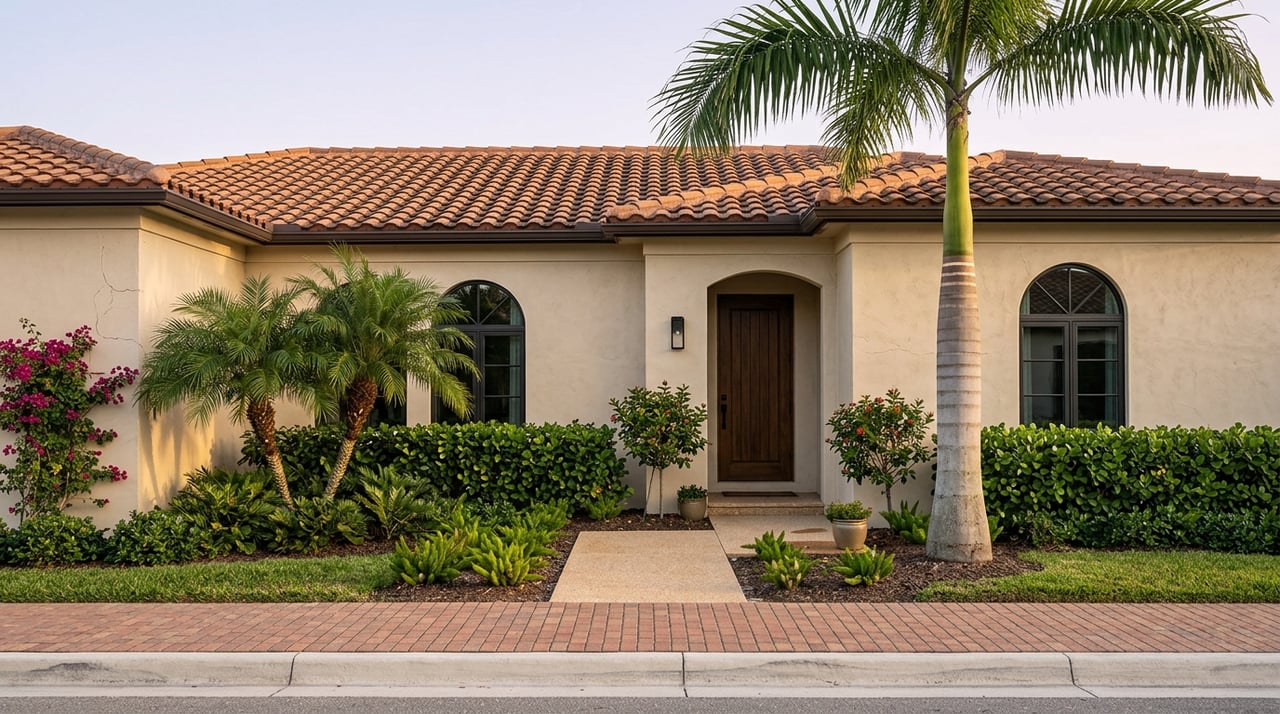
Architecture is a major part of Venice Island’s appeal. The city’s historic resources highlight styles such as Mediterranean Revival and Renaissance Revival, and some properties in Historic or Venetian Theme districts must meet architectural compliance requirements for new construction and exterior changes.
That can be a plus if you value design consistency and preservation. It can also mean a more detailed review process if you plan to renovate. The city also notes that properties on the Local Register may qualify for a 10-year tax freeze on approved improvements, along with certain permit and code-related benefits.
Walkability and Coastal Access
One of the biggest reasons buyers choose Venice Island is convenience without relying on the car for every outing. Centennial Park sits in the middle of downtown and is surrounded by shops and restaurants, while the Fishing Pier at Brohard Park adds another waterfront destination on the south end of the island.
You also have access to Venetian Waterway Park, which connects to the Legacy Trail for nearly 23 uninterrupted miles. The city recognizes Venice as a Silver Bicycle Friendly Community, which supports the island’s reputation for bike and pedestrian convenience.
Newer Venice-Area Homes at a Glance
If Venice Island is about living near the city’s historic core, newer Venice-area communities are often about living within a planned neighborhood. These communities tend to offer more standardized home choices, newer layouts, and a menu of amenities that are built into the community itself.
A key benchmark in the Venice market is Wellen Park. It spans 11,000 acres, is planned for 22,000 homes at full buildout, and sits west of I-75 with access from U.S. 41 and River Road. That location matters because many buyers casually group all newer Venice homes together, even though not every newer community is in the same part of the market.
More Predictable Home Options
In newer communities, housing options are usually easier to compare from one neighborhood to another. Wellen Park notes that buyers can find single-family homes, villas, condominiums, townhomes, carriage homes, and coach homes.
For some buyers, that variety makes the search more efficient. If you want a newer floor plan, lower-maintenance exterior, or a home with modern systems and finishes, newer communities often make that easier to find than the historic housing stock on the island.
HOA and Amenity Structure
Newer communities also tend to come with more formal governance. Wellen Park states that each neighborhood has HOA fees, and part of the broader infrastructure is funded through the West Villages Improvement District.
That structure often supports private amenities and a more managed community environment. Depending on the neighborhood, those amenities may include resort pools, fitness centers, pickleball courts, billiard rooms, and other shared features designed for residents.
Golf and Resort Lifestyle
For buyers who want recreation built into daily life, golf-focused communities add another layer. Wellen Park’s golf communities include options centered around golf, clubhouse dining, pools, fitness, spa services, tennis, pickleball, and organized social activities.
This is one of the clearest differences from Venice Island. On the island, the lifestyle is tied more closely to the public downtown, parks, trails, and waterfront. In newer golf and master-planned communities, the lifestyle often revolves around private or neighborhood-centered amenities.
Lifestyle Differences to Consider
The simplest way to compare these areas is this: Venice Island supports a live near everything lifestyle, while newer communities often support a live within the community lifestyle. Neither is better across the board. The right fit depends on how you want your days to feel.
If you enjoy walking to restaurants, spending time downtown, biking local trails, and being close to the beach and waterfront, Venice Island may feel more natural. If you prefer newer homes, bundled amenities, social programming, and a more self-contained neighborhood setting, a newer mainland community may fit better.
Daily Living on Venice Island
Venice Island tends to appeal to buyers who care about character and proximity. You are choosing an area with historic planning roots, a more established streetscape, and easy access to downtown gathering places and coastal recreation.
That can be especially attractive if your priority is location and lifestyle over having the newest home systems or the largest amenity package. Many buyers are drawn to the idea of stepping outside and being close to the places they already want to go.
Daily Living in Newer Communities
Newer Venice-area communities often appeal to buyers who want convenience in a different form. Instead of relying on the historic downtown grid, you may have pools, fitness centers, trails, and social spaces woven directly into the neighborhood.
Downtown Wellen is a good example of that model. The community describes an 80-acre lake, trails, restaurants, retail, a stage and event lawn, food truck park, and splash pad, along with more than 30 miles of trails across the broader development.
How Prices Compare
Price is where the Venice market becomes more nuanced. The broad market does not tell the whole story because Venice is made up of several distinct micro-markets with different housing types, price points, and buyer demand.
According to Realtor.com’s Venice market overview, Venice was considered a balanced market in January 2026, with a median home price of $400,000 and median days on market of 79. That gives useful context, but it does not capture the spread between the island and newer mainland communities.
Island Prices Tend to Run Higher
The island submarket generally commands a premium. Zillow’s data for The Island shows a typical home value of $509,776, with a median sale price around $550,417.
For comparison, Zillow reports a typical home value of $364,240 in ZIP code 34293. That means The Island’s typical value is roughly $145,500 higher than that inland benchmark, which reflects the premium many buyers place on historic character, central location, and coastal proximity.
Neighborhood Prices Vary Widely
Neighborhood-level data shows just how wide the range can be. Realtor.com reports median home prices of $339,990 in Downtown Venice, $436,500 in Gran Paradiso, $469,900 in Sarasota National, and $522,450 in Islandwalk at the West Villages.
On Venice Island, Edgewood shows a median home price of $530,698. In Waterfront on Venice Island, which includes Golden Beach, median listing prices reach $891.9K.
Which Option Fits You Best?
If you are deciding between historic Venice Island and a newer Venice-area home, it helps to focus less on headlines and more on your daily priorities. The best choice is usually the one that matches how you want to live, not just what looks best on paper.
Here is a simple way to think about it:
- Venice Island may fit you best if you value historic character, older architecture, downtown access, beach proximity, and strong bike or pedestrian convenience.
- A newer Venice-area community may fit you best if you prefer newer construction, more predictable HOA-managed amenities, resort-style recreation, and golf or club-oriented living.
- Either option can make sense depending on your budget, your preferred home style, and whether you want your lifestyle centered around the public town core or a private neighborhood amenity package.
Why Local Guidance Matters
Because Venice is not one uniform market, it helps to evaluate each area as its own micro-market. Two homes with similar square footage can offer very different value if one sits in a historic island setting and the other sits in a newer planned community with HOA amenities.
That is why careful neighborhood guidance matters. When you compare home age, location, review requirements, amenities, and price trends together, you get a much clearer picture of what truly fits your goals.
Whether you are drawn to the charm and walkability of Venice Island or the ease of a newer community, working with a local advisor can help you narrow the options quickly and make a smart move. If you want tailored guidance on Venice neighborhoods, pricing, and lifestyle fit, connect with Jayne Del Medico.
FAQs
What is the main difference between Venice Island and newer Venice-area homes?
- Venice Island is known for historic character, walkability, downtown access, and coastal proximity, while newer Venice-area homes often offer newer construction, HOA-managed amenities, and a more resort-style community setup.
Are homes on Venice Island usually more expensive than newer inland homes?
- In general, yes. Zillow reports a typical home value of $509,776 for The Island, compared with $364,240 for ZIP code 34293, though prices vary by neighborhood and property type.
Do historic Venice Island homes have renovation rules?
- Some do. The City of Venice states that properties in Historic or Venetian Theme districts may need architectural compliance review for new construction and exterior alterations.
What amenities are common in newer Venice-area communities?
- Depending on the neighborhood, amenities may include resort pools, fitness centers, pickleball courts, golf, clubhouse dining, trails, and other shared community spaces.
Is Wellen Park east of I-75 in Venice?
- No. Wellen Park states that it is located west of I-75, with access from U.S. 41 and River Road.
Is Venice one uniform housing market?
- No. Market data shows that Venice includes several micro-markets, with meaningful differences in pricing, home styles, and market pace between the island, golf communities, newer master-planned neighborhoods, and other mainland areas.